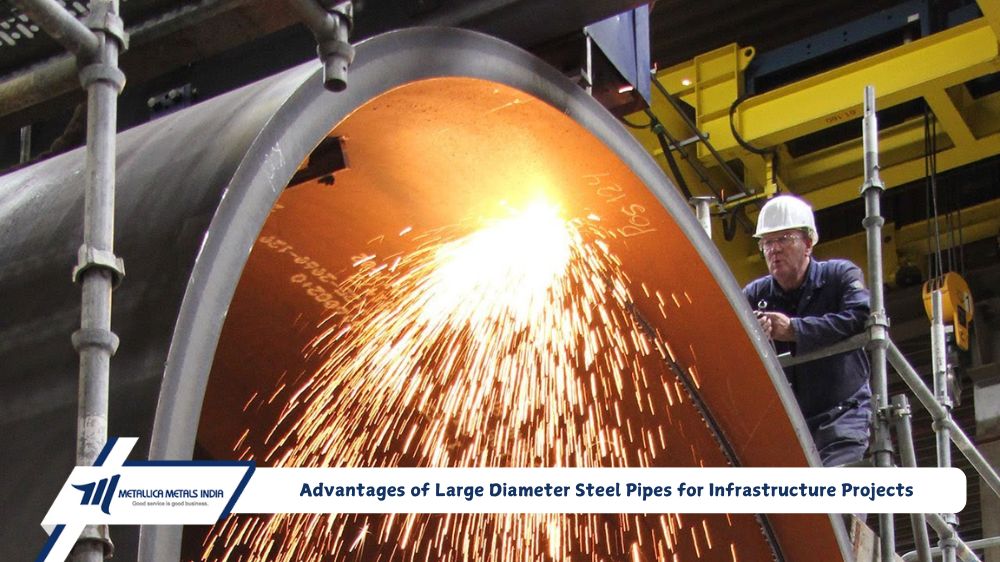
Large diameter steel pipes are a vital part of modern infrastructure, used extensively for the transportation of various materials, including water, gas, oil, and sewage. These pipes, with diameters typically exceeding 24 inches, are manufactured from high-grade steel to handle high-pressure applications. They are employed in many industries, from water treatment plants and sewage systems to the oil and gas sector, and large-scale industrial facilities.
The use of large diameter steel pipes offers numerous benefits, especially for infrastructure projects that demand reliable, durable, and cost-effective materials. Steel’s strength, resilience, and versatility make it the ideal material for handling challenging conditions such as high pressure, corrosion, and environmental stress.
We will explore the key advantages of large diameter steel pipes in infrastructure projects, highlighting their role in improving project efficiency, ensuring long-term performance, and contributing to overall cost savings.
1. Exceptional Strength and Durability
One of the standout qualities of large diameter steel pipes is their superior strength. Steel, known for its robust mechanical properties, ensures that these pipes can handle high internal and external pressures. This strength is crucial for infrastructure projects like oil pipelines, gas transportation, water distribution systems, and sewage networks, where the pipes must withstand significant pressure without failing.
Moreover, steel’s durability means that large diameter steel pipes are able to endure the test of time. They are resistant to physical damage, mechanical wear, and environmental stress, making them a reliable option for both underground and above-ground installations. The longevity of these pipes reduces the frequency of repairs and replacements, offering substantial long-term savings for infrastructure projects.
2. High Load-Bearing Capacity
In addition to their strength, large diameter steel pipes also possess an excellent load-bearing capacity. This feature is particularly beneficial in projects where the pipes are exposed to heavy external loads, such as those in urban settings or areas with high vehicular traffic.
For example, water supply systems and sewage pipelines that traverse highways or industrial zones benefit from the ability of steel pipes to withstand external pressure. This load-bearing capacity also makes steel pipes suitable for construction in seismic regions, where the pipes need to withstand ground movements.
This inherent strength minimizes the risk of pipe failure and ensures that large-scale infrastructure projects can proceed without concern for the pipes being damaged under external forces.
3. Corrosion Resistance
One of the primary challenges in infrastructure projects is dealing with the potential for corrosion. Water, chemicals, and other environmental factors can cause significant damage to many materials over time. However, large diameter steel pipes can be coated or treated to resist corrosion, which significantly extends their lifespan.
Coatings such as epoxy or galvanization provide added protection against corrosion, making steel pipes suitable for use in harsh environments like coastal areas or in applications involving highly corrosive substances. The resistance to corrosion also reduces the need for frequent maintenance, saving both time and money over the long term.
4. Versatility for Various Applications
Large diameter steel pipes are incredibly versatile and can be used across a wide range of infrastructure applications. Their adaptability makes them the preferred choice for many industries. Here are some key areas where large diameter steel pipes are commonly used:
- Water Supply Systems: Steel pipes are essential in municipal water distribution systems. Their ability to handle high-pressure water flow makes them ideal for ensuring a consistent and safe water supply to large populations.
- Sewage and Wastewater Systems: Large diameter steel pipes play a significant role in transporting sewage and waste materials from households and industries to treatment plants.
- Gas Pipelines: For transporting natural gas and other fuels, steel pipes provide the necessary strength and pressure resistance to maintain a safe and reliable pipeline system.
- Oil Transportation: Steel pipes are widely used in the oil and gas industry, where they transport crude oil and refined products over long distances. Their durability ensures the integrity of the pipeline, even in challenging environments.
The versatility of large diameter steel pipes allows them to serve a wide range of infrastructure needs, providing a robust solution for projects that require high strength, pressure tolerance, and corrosion resistance.
5. Cost-Effectiveness in the Long Term
While large diameter steel pipes may have a higher initial cost compared to other materials such as concrete or plastic, their long-term cost-effectiveness makes them an excellent investment. The strength and durability of steel reduce the need for frequent replacements, repairs, or upgrades, which ultimately lowers maintenance costs over the life of the pipeline.
Moreover, steel pipes’ high load-bearing capacity means fewer supporting structures are required, reducing installation costs. Steel is also a recyclable material, which helps to further reduce costs in the long run by minimizing waste and allowing the material to be reused in future projects.
Additionally, the corrosion-resistant properties of large diameter steel pipes ensure they require minimal upkeep, further enhancing their cost-effectiveness over time.
6. Sustainability and Environmental Impact
Sustainability has become an essential factor in infrastructure projects, and large diameter steel pipes contribute significantly to this effort. Steel is one of the most widely recycled materials in the world. At the end of their lifespan, these pipes can be recycled and reused in other projects, helping to reduce environmental impact.
Furthermore, the long service life of large diameter steel pipes means fewer resources are required for replacements and repairs, leading to lower environmental costs over time. The durability and strength of steel also help reduce the frequency of maintenance, which can involve harmful chemicals and materials, further benefiting the environment.
7. Ease of Installation and Maintenance
Large diameter steel pipes are relatively easy to install, especially when compared to other materials like concrete or clay pipes. Steel pipes can be welded, providing strong, leak-proof joints that ensure safe and reliable operation. Their lighter weight relative to their strength means they are easier to transport and position during installation, reducing the complexity and labor involved.
The maintenance of steel pipes is also straightforward. Regular inspections and minor repairs are all that is typically needed to keep these pipes in excellent condition for many years. With proper protective coatings and regular maintenance, large diameter steel pipes can continue to function without issue for decades.
8. Proven Performance in Major Projects
Large diameter steel pipes have a proven track record in some of the most challenging infrastructure projects worldwide. For example, the Trans-Alaska Pipeline System (TAPS), one of the most significant infrastructure projects in the oil industry, relies heavily on large diameter steel pipes to transport crude oil across challenging terrain.
Similarly, steel pipes are used in major urban water supply systems and sewage treatment plants around the world, demonstrating their reliability and performance in various environmental conditions. The success of these large-scale projects highlights the trust that engineers and project managers place in large diameter steel pipes.
Conclusion: The Role of Large Diameter Steel Pipes in Modern Infrastructure
Large diameter steel pipes are an essential part of modern infrastructure, offering unmatched strength, durability, and versatility. Their ability to withstand high pressure, external loads, and corrosion makes them the ideal material for transporting liquids and gases in a wide range of applications, including water supply systems, oil pipelines, and wastewater treatment plants.
While they may have a higher initial cost compared to other materials, their long-term cost-effectiveness, sustainability, and ease of installation make them a wise investment for large-scale infrastructure projects. As cities and industries continue to grow, the demand for large diameter steel pipes will only increase, cementing their role as a cornerstone of infrastructure development around the world.